Are you thinking about improving your smile? You may have heard about veneers and crowns. Both are popular cosmetic dentistry solutions. But which is right for you? In this blog, we will compare veneers vs. crowns. We will explain their uses, benefits, and differences. Our goal is to help you choose the best option for your smile makeover.
What Are Veneers?
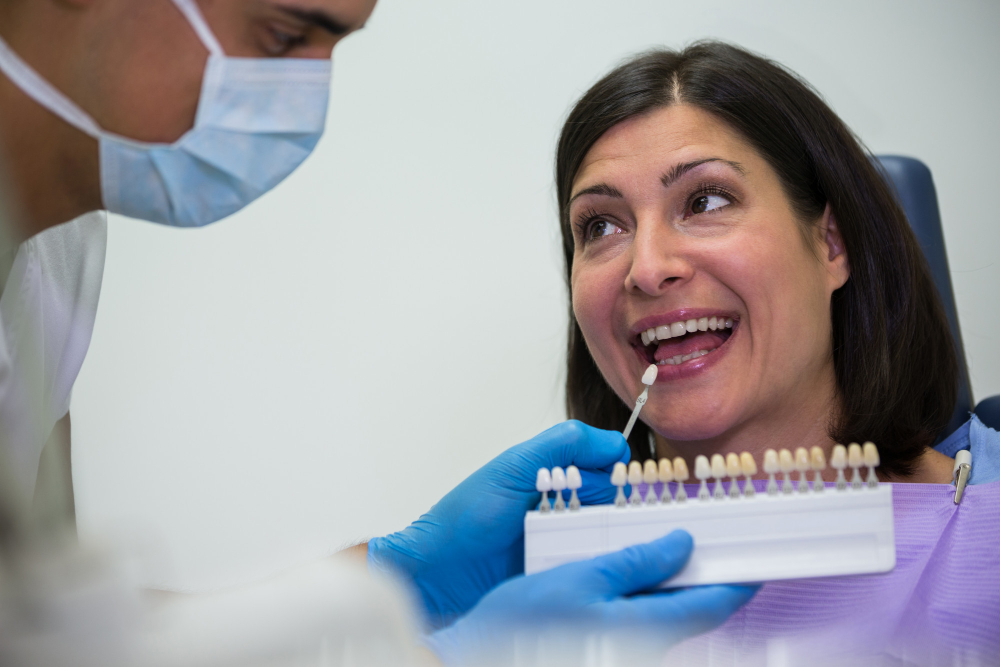
Veneers are thin shells made from porcelain or resin. Dentists place them on the front surface of your teeth. They are often used to fix stained, chipped, or slightly crooked teeth. The process is simple and usually painless.
According to the American Dental Association (ADA), veneers are a safe and effective way to improve your smile.
What Are Crowns?
Crowns are tooth-shaped caps. Dentists use them to cover and protect damaged or weak teeth. Crowns can also improve the look of your teeth. They are thicker than veneers and cover the whole tooth.
The ADA notes that crowns are often used after root canals or for broken teeth.
Veneers vs. Crowns: Key Differences
Now, let’s compare dental veneers vs crowns. Both improve your smile, but they have key differences:
For a smile makeover, your dentist will help you decide which is best.
Who Should Consider Veneers?
Veneers are a great choice if you want to:
But, veneers may not be right if you have weak or decayed teeth. Also, people who grind their teeth may damage veneers. Always talk to your dentist before choosing veneers or crowns for front teeth.
Who Should Consider Crowns?
Crowns are often the best option if you:
However, crowns require more tooth removal. They may not be needed for minor cosmetic fixes. Your dentist will guide you to the best option for your needs.
How to Decide: Factors to Consider
Choosing between veneers or crowns for front teeth can be tough. Consider these factors:
In the US, many dental clinics offer free consultations. This can help you make an informed choice.
Care and Maintenance Tips
To keep your veneers or crowns looking great, follow these tips:
With good care, veneers and crowns can last many years. The ADA recommends regular dental visits to keep your smile healthy.
Risks and Potential Complications
Like any dental procedure, veneers and crowns have some risks. Common issues include:
To prevent problems, always follow your dentist’s care advice. If you notice pain, swelling, or a loose crown or veneer, contact your dentist right away. Early care can prevent bigger issues.
Conclusion
Both veneers and crowns are excellent cosmetic dentistry solutions. Veneers are best for minor changes, while crowns work well for damaged teeth. Each option has its pros and cons. Your choice depends on your needs, budget, and dentist’s advice. For the best results, consult a qualified dentist at Haripriya Multispecialty Dental Hospital to determine whether veneers or crowns are right for your smile.