What Is Jaw Clicking?
Jaw clicking is a common sound or sensation that happens when you open or close your mouth. Often, you may notice this when eating, talking, or yawning. For many people, jaw clicking is harmless. However, it can sometimes signal a problem with your jaw joint. This joint is called the temporomandibular joint, or TMJ. Because jaw clicking can be linked to other symptoms, it is important to understand what it means.
Common Symptoms of Jaw Clicking
Sometimes, jaw clicking is the only sign you notice. Yet, other symptoms can appear along with it. For example, you might feel pain or stiffness. In some cases, your jaw may even lock or feel hard to move. Here are some common symptoms:
Although these symptoms can be mild, they may also get worse over time. Therefore, paying attention to changes is important.
Causes of Jaw Clicking
Jaw clicking can have many causes. Sometimes, it is due to simple habits. Other times, it may be linked to a medical issue. Here are some common causes of jaw clicking:
According to the National Institute of Dental and Craniofacial Research, about 10 million Americans have TMJ disorders, which often include jaw clicking.
How Jaw Clicking Is Diagnosed
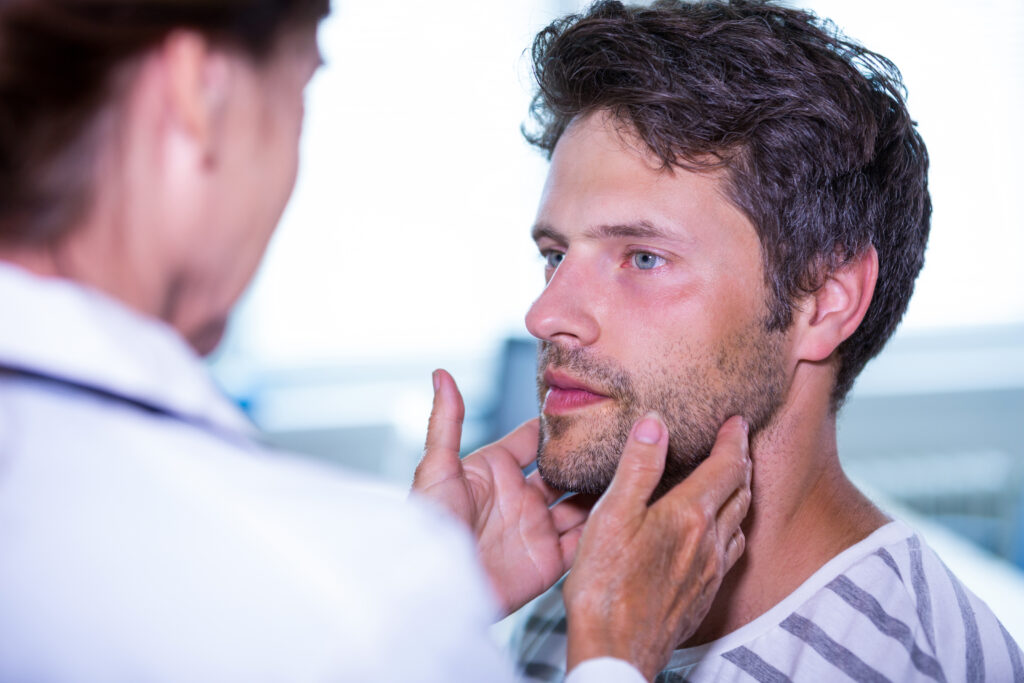
First, your dentist or doctor will ask about your symptoms. Next, they may examine your jaw and listen for sounds. Sometimes, they will check how wide you can open your mouth. In some cases, they may use X-rays or other scans. These tests help rule out other problems and find the cause of jaw clicking. Because early diagnosis can prevent more serious issues, it is wise to seek help if symptoms last.
Treatment Options for Jaw Clicking
Treatment for jaw clicking depends on the cause and severity. For many people, simple steps can help. However, some may need more advanced care. Common treatment options include:
Although most cases improve with simple care, always follow your dentist’s advice. According to the American Dental Association, most TMJ problems do not require surgery.
Prevention and Lifestyle Tips
While you cannot always prevent jaw clicking, some habits can lower your risk. For instance, you can:
Because prevention is easier than treatment, these steps can help keep your jaw healthy.
When to See a Dentist
Sometimes, jaw clicking goes away on its own. However, you should see a dentist if:
Early care can prevent more serious problems. Therefore, do not wait if you notice these signs.
In summary, jaw clicking is common and often harmless. Yet, it can sometimes signal a bigger issue. Consult a dentist at Haripriya Multispecialty Dental Hospital for personalized advice about jaw clicking.