Introduction
Sinus lift surgery is a special dental procedure. It helps prepare your upper jaw for dental implants. Sometimes, people do not have enough bone in the back of the upper jaw. Because of this, dental implants may not stay in place. Sinus lift surgery adds bone to this area. This step is often needed before some dental implants can be placed. Many people do not know about this hidden step. However, it is important for a strong and lasting implant.
What Is Sinus Lift Surgery?
Sinus lift surgery is also called maxillary sinus augmentation. In this procedure, a dentist or oral surgeon adds bone to the upper jaw. The bone is placed between your jaw and the maxillary sinuses, which are air spaces above your back teeth. To do this, the surgeon gently lifts the sinus membrane. Then, they place bone graft material in the space. This helps create a solid base for dental implants.
Why Is Sinus Lift Surgery Needed Before Some Dental Implants?
Sometimes, the upper jaw does not have enough bone. This can happen for several reasons. For example, you may have lost bone after losing teeth. Or, your sinuses may be naturally large. Without enough bone, dental implants cannot be placed safely. Sinus lift surgery helps by:
Because of this, sinus lift surgery is a key step for many people who want dental implants in the upper jaw.
Who Needs Sinus Lift Surgery?
Not everyone needs this surgery. However, you may need a sinus lift if:
In many cases, your dentist will use X-rays or scans. These help check your bone height and sinus position. If you do not have enough bone, your dentist may suggest a sinus lift.
How Is Sinus Lift Surgery Performed?
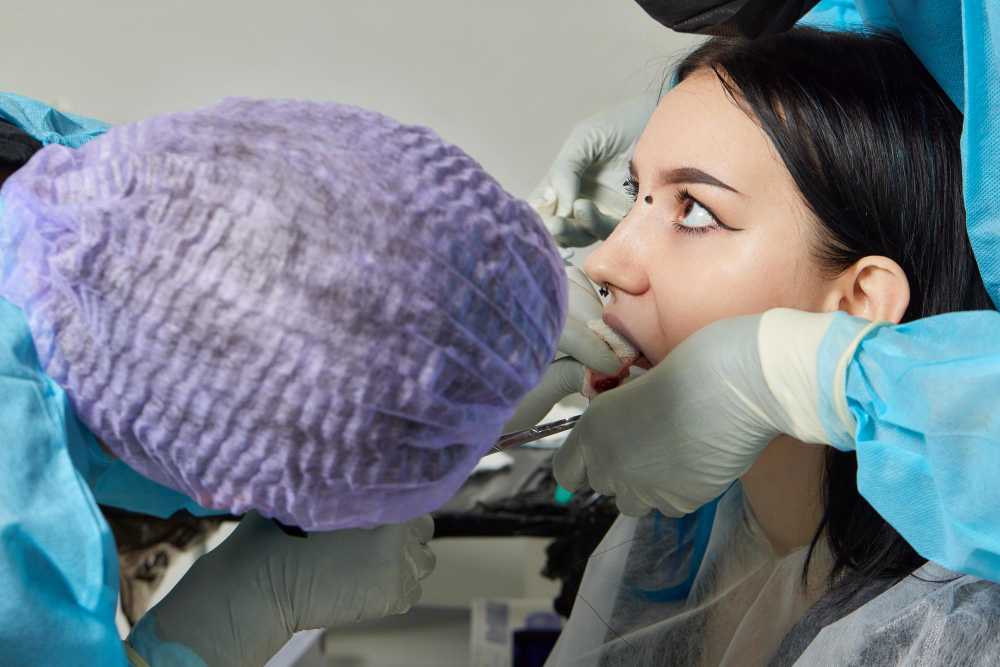
Sinus lift surgery is usually done in a dental office or clinic. The steps often include:
After the procedure, you may need to wait several months. This allows the new bone to heal and become strong. Once healed, your dentist can place the dental implant.
Risks and Recovery: What to Expect
Like any surgery, sinus lift surgery has some risks. However, most people recover well. Possible risks include:
To help with recovery, your dentist may give you special instructions. For example, you may need to avoid blowing your nose or sneezing hard. Most people can return to normal activities in a few days. However, full healing may take several months. According to the American Association of Oral and Maxillofacial Surgeons, success rates are high when the procedure is done by trained professionals.
Benefits of Sinus Lift Surgery
Sinus lift surgery offers many benefits, especially for those who want dental implants. Some key benefits include:
Because of these benefits, many dentists recommend sinus lift surgery as part of dental implant preparation.
Frequently Asked Questions
For more information, you can visit trusted sources like the American Dental Association or the CDC.
Consult a dental specialist at Haripriya Multispecialty Dental Hospital to find out if sinus lift surgery is right for you.