Introduction: What Is Full Mouth Rehabilitation?
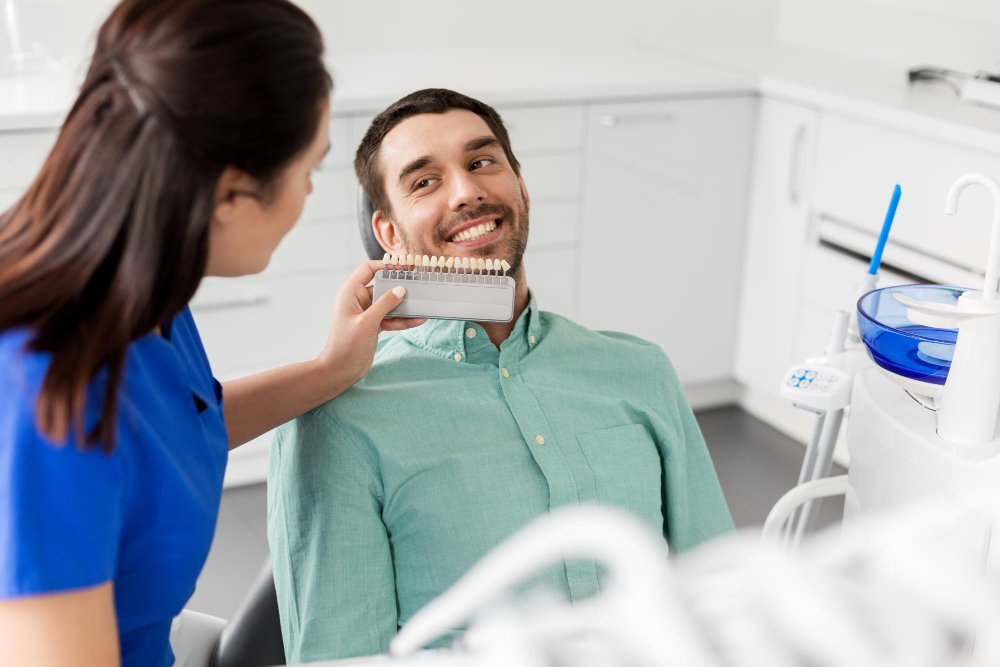
Full mouth rehabilitation is a dental treatment that rebuilds or replaces all teeth in your mouth. It combines restorative dentistry and cosmetic procedures to improve both function and appearance. Because oral health affects your whole body, restoring your smile can boost your confidence and well-being. Many people choose full mouth rehabilitation to fix severe dental problems and regain a healthy, beautiful smile.
Symptoms and Signs: When Might You Need Full Mouth Rehabilitation?
Sometimes, dental problems go beyond a single tooth. If you notice any of these signs, you may need full mouth rehabilitation:
Additionally, if you feel embarrassed to smile or avoid social situations, it may be time to consider a complete dental makeover.
Causes: Why Might Someone Need Full Mouth Rehabilitation?
There are several reasons why people need full mouth rehabilitation. For example, some common causes include:
Because these issues can worsen over time, early treatment is important for better results.
Diagnosis: How Dentists Assess the Need for Full Mouth Rehabilitation
First, your dentist will do a full exam of your mouth. They may take X-rays, photos, and dental impressions. Next, they check your bite, jaw movement, and gum health. Dentists also ask about your medical history and any pain or discomfort. After gathering all this information, your dentist creates a personalized treatment plan. This plan addresses your unique needs and goals.
Treatment Options: What Procedures Are Involved?
Full mouth rehabilitation may include several dental procedures. Depending on your needs, your dentist may recommend:
Sometimes, orthodontic treatment is needed to correct bite problems. Your dentist will explain each step and answer your questions before starting.
Benefits and Risks: What Should You Expect?
Full mouth rehabilitation offers many benefits. For instance, you can expect:
However, like any dental procedure, there are some risks. These may include:
Because your dentist uses careful planning, most risks are low. Still, it is important to follow all aftercare instructions.
Recovery and Aftercare: Tips for Healing and Maintaining Results
After full mouth rehabilitation, proper care is key. Here are some tips to help you heal and keep your new smile healthy:
Because healing times vary, always ask your dentist if you have concerns.
Prevention: How to Protect Your Oral Health After Rehabilitation
Once your mouth is restored, you will want to protect your investment. To keep your teeth and gums healthy:
With these habits, you can enjoy your new smile for many years.
Frequently Asked Questions
Conclusion
Full mouth rehabilitation can restore your smile and improve your oral health. If you have many dental problems, this treatment may be right for you. Consult a qualified dentist at Haripriya Multispecialty Dental Hospital to discuss if full mouth rehabilitation is right for you.