
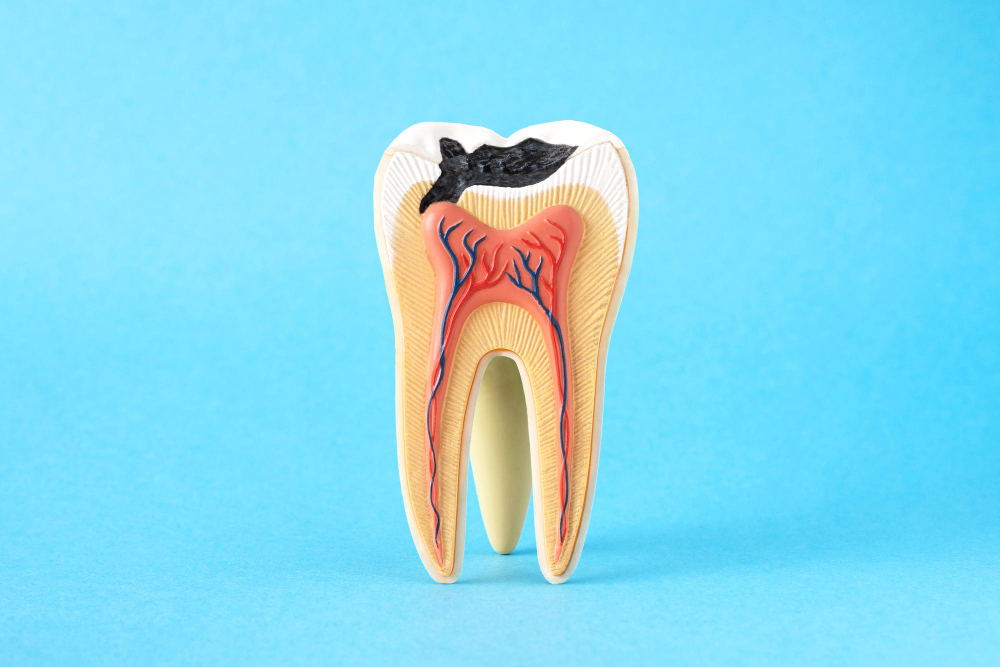
What Are Deep Cavities?
Deep cavities are holes in your teeth that reach the inner layers. Usually, cavities start small on the surface. However, when left untreated, they can grow deeper. As a result, deep cavities may reach the soft tissue inside the tooth, called the pulp. This area contains nerves and blood vessels. Because of this, deep cavities can cause more pain and problems than shallow ones. According to the World Health Organization (WHO), untreated tooth decay is one of the most common health issues worldwide.
Symptoms and Warning Signs
Often, deep cavities show clear signs. But sometimes, the symptoms can be mild at first. Therefore, it is important to watch for these warning signs:
If you notice any of these symptoms, you should see a dentist soon. Early treatment can prevent further damage.
Why Simple Fillings May Not Work
For small cavities, dentists often use simple fillings. These fillings seal the hole and stop decay. However, deep cavities are different. Because the decay reaches the inner tooth, a filling alone may not fix the problem. In many cases, the pulp becomes infected or damaged. If this happens, bacteria can spread deeper. As a result, a simple filling will not remove all the infection. Instead, more advanced dental treatments are needed to save the tooth and stop pain.
Advanced Treatment Options
When deep cavities go beyond the reach of a filling, dentists may suggest other treatments. Some common options include:
Each treatment depends on how deep the cavity is and how much damage has occurred. Your dentist will explain the best choice for your situation.
Prevention Tips for Deep Cavities
Preventing deep cavities is easier than treating them. Fortunately, you can take simple steps to protect your teeth:
By following these tips, you can lower your risk of deep tooth decay and avoid complex dental treatments.
When to See a Dentist
It is important to see a dentist if you notice any signs of deep cavities. For example, if you feel pain, see a dark spot, or have swelling, do not wait. Early care can save your tooth and prevent infection. Even if you have no symptoms, regular dental visits help catch problems early. Remember, deep cavities often need more than a simple filling. Therefore, professional advice is key.
In summary, deep cavities can cause serious dental problems if not treated quickly. While simple fillings work for small cavities, deep decay often needs advanced care. Consult a dentist at Haripriya Multispecialty Dental Hospital for personalized advice on treating deep cavities and keeping your smile healthy.