
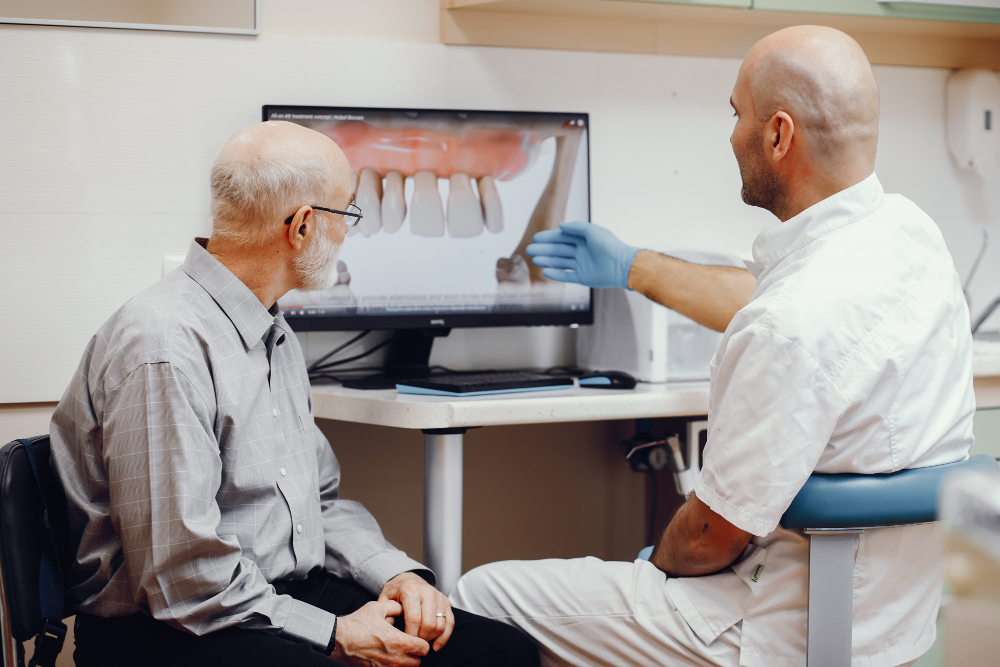
What Is an Implant-Supported Bridge?
An implant-supported bridge is a dental solution for missing teeth. Unlike regular bridges, it uses dental implants to hold the bridge in place. Dental implants are small metal posts placed in the jawbone. Because of this, they act like natural tooth roots. The bridge, which is a set of artificial teeth, attaches to these implants. Many people choose an implant-supported bridge for a strong and lasting fix. If you are looking for dental implants for missing teeth, this option may help restore your smile.
Key Benefits of Implant-Supported Bridges
There are many reasons why people choose implant-supported bridges. For example, they offer several advantages over traditional bridges and dentures.
Additionally, many patients find them more comfortable than removable dentures. According to the American Dental Association, implant-supported bridges can improve quality of life for people with missing teeth.
Who Is a Good Candidate?
Not everyone is a candidate for an implant-supported bridge. However, many adults with missing teeth may qualify. Dentists look for certain factors before recommending this treatment.
Still, only a dentist can decide if this is the best option for you. If you are interested in an implant-supported bridge in your area, schedule a dental visit for a full checkup.
Step-by-Step Procedure
The implant-supported dental bridge procedure happens in several steps. Each step is important for a safe and lasting result.
Throughout the process, your dental team will guide you and answer your questions. Many people find the implant-supported bridge procedure easier than they expected.
Aftercare and Maintenance Tips
Proper implant bridge aftercare is key to long-term success. Even though implant-supported bridges are strong, they need regular care.
With good care, your implant-supported bridge can last for many years. If you notice any pain or changes, contact your dentist right away.
Potential Risks and Complications
Most implant-supported bridge procedures are safe. However, like any dental treatment, there are some risks. Knowing these can help you make an informed choice.
Although these problems are rare, your dentist will discuss them with you. Following aftercare tips can lower your risk of complications.
Frequently Asked Questions
In summary, an implant-supported bridge is a strong and natural-looking way to replace missing teeth. If you want to know if this treatment is right for you, consult a qualified dentist at Haripriya Multispecialty Dental Hospital for personalized advice.