
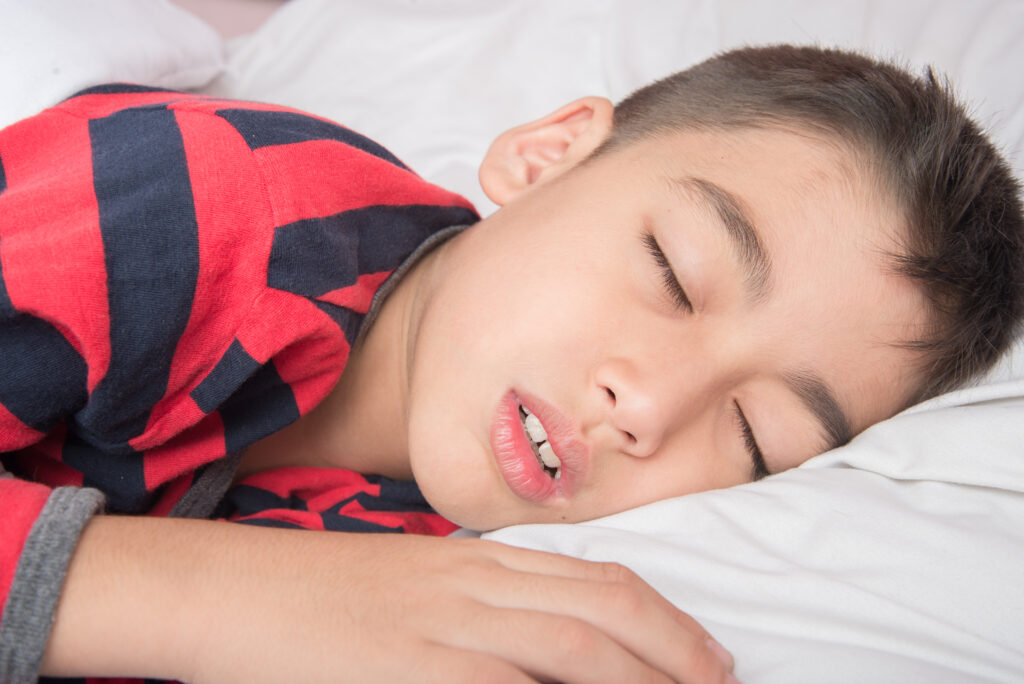
What Is Mouth Breathing in Children?
Mouth breathing in children means a child mostly breathes through their mouth instead of their nose. Usually, children should breathe through their nose. However, some children develop a habit of using their mouth to breathe. This can happen during the day or at night. Over time, mouth breathing in children can lead to health problems. For example, it may affect their teeth, face, and sleep quality.
Common Symptoms and Signs
It is important to spot mouth breathing early. Some signs are easy to notice. For instance, you may see your child:
Sometimes, children may also have trouble eating or speaking clearly. If you notice these signs, it is wise to watch your child closely.
Causes of Mouth Breathing
There are several reasons why children start mouth breathing. Often, a blocked nose is the main cause. For example, allergies, colds, or enlarged tonsils can make nose breathing hard. In some cases, the shape of the nose or jaw may play a role. Additionally, habits or thumb sucking can also lead to mouth breathing in children. Because each child is different, it is important to find the exact cause.
Effects on Dental Health
Mouth breathing in children can harm their teeth and gums. When a child breathes through their mouth, it dries out saliva. As a result, teeth lose their natural protection. This can lead to:
According to dental experts, mouth breathing can also make braces less effective. Therefore, it is important to address mouth breathing early.
Impact on Facial Development
Over time, mouth breathing and facial development are closely linked. When children breathe through their mouth, their face and jaws may grow differently. For example, they may develop a long face, narrow jaws, or a small chin. This can change their appearance and even affect how they chew or speak. Early treatment can help prevent these changes.
Influence on Sleep Quality and Overall Health
Mouth breathing and sleep problems often go together. Children who mouth breathe may snore or wake up often at night. As a result, they may feel tired during the day. Poor sleep can affect learning, mood, and growth. In some cases, mouth breathing can also lead to sleep apnea, a serious health problem. Because sleep is vital for children, it is important to treat mouth breathing quickly.
Diagnosis and When to Seek Help
If you notice signs of mouth breathing in your child, you should talk to a doctor or dentist. They may ask about your child’s habits and health history. Sometimes, they will check the nose, throat, and teeth. In some cases, they may suggest tests or refer you to a specialist. Early diagnosis helps prevent long-term problems.
Treatment Options and Lifestyle Guidance
Treatment depends on the cause of mouth breathing. Some common options include:
In addition, doctors may suggest changes at home. For example, keeping the air clean and moist can help. Regular dental check-ups are also important.
Prevention Tips for Parents
Parents can help prevent mouth breathing in children by:
With early action, you can protect your child’s teeth, face, and sleep.
Conclusion
Mouth breathing in children can affect their teeth, face, and sleep. However, early detection and treatment can prevent many problems. If you notice signs of mouth breathing, consult a pediatric dentist at Haripriya Multispecialty Dental Hospital for personalized advice on mouth breathing in children.