Introduction
Periodontal diseases, also called gum diseases, are common but serious problems. They can harm your gums and teeth if not treated. Understanding the risk factors for periodontal diseases is important for keeping your mouth healthy. Early action can help prevent gum disease and protect your smile.
What Are Periodontal Diseases?
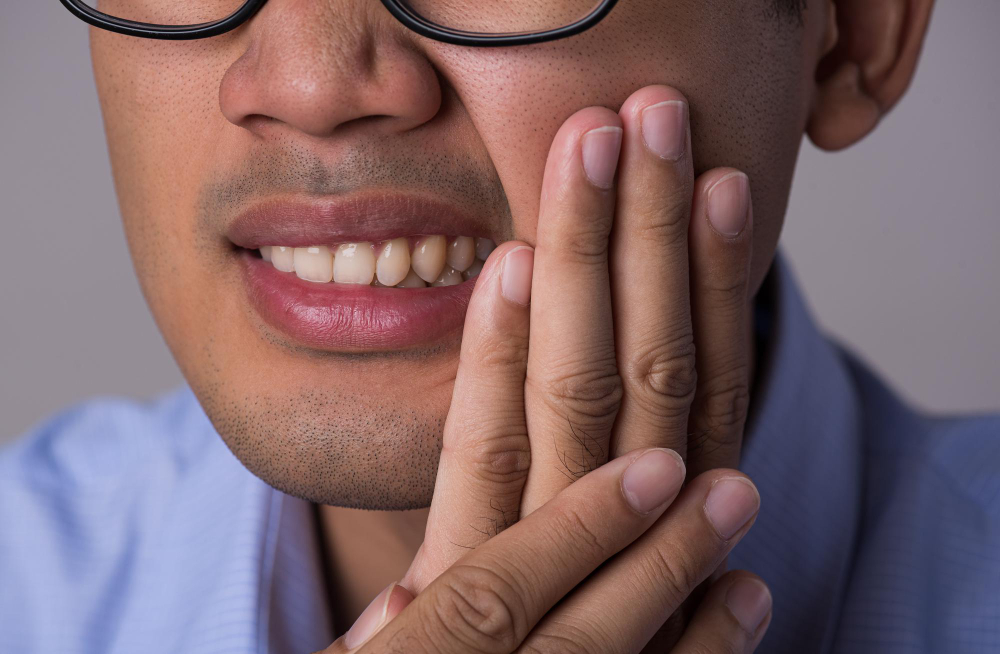
Periodontal diseases are infections that affect the gums and the bone supporting your teeth. At first, you may notice red or swollen gums. Over time, these diseases can cause tooth loss if not managed. According to the CDC, almost half of adults over 30 have some form of gum disease. Because gum health is linked to overall health, it is important to know what causes these problems.
Key Risk Factors for Gum Diseases
Many things can increase your risk of gum disease. Some you can control, while others you cannot. Below are the main risk factors for periodontal diseases:
Because these risk factors for gum disease are common, it is important to stay alert. Even if you cannot change some risks, you can still take steps to protect your gums.
How to Reduce Your Risk
Although some risk factors for periodontal diseases are out of your control, many can be managed. Here are some gum health tips to help you prevent gum disease:
In some areas, local water may not have added fluoride. If you live in such a location, ask your dentist about fluoride treatments to help protect your teeth and gums.
When to See a Dentist
It is important to see a dentist if you notice signs of gum disease. For example, watch for bleeding gums, swelling, or bad breath that does not go away. Early treatment can stop gum disease from getting worse. Even if you have no symptoms, regular dental visits are key for preventing periodontal disease.
Conclusion and Call-to-Action
To sum up, knowing the risk factors for periodontal diseases helps you take better care of your gums. While some risks cannot be changed, many can be managed with good habits. For the best advice on preventing gum disease, consult a dental professional at Haripriya Multispecialty Dental Hospital. Your dentist can give you tips tailored to your needs and help keep your smile healthy.