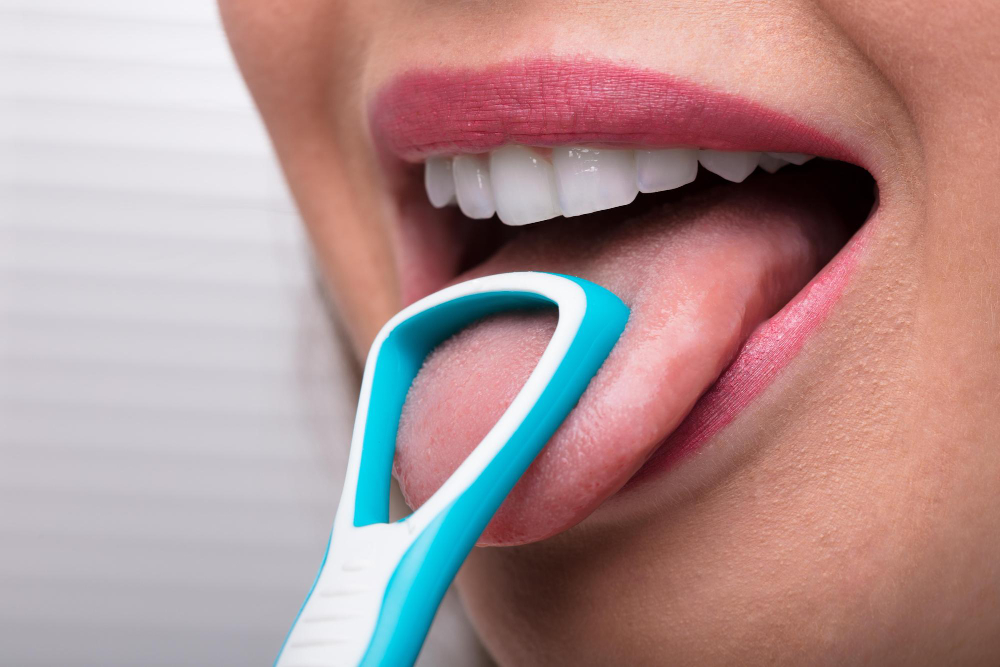
What Is the Tongue Scraping Habit?
The tongue scraping habit means cleaning your tongue with a special tool. Many people add this step to their daily oral care. In fact, the tongue scraping habit is growing in popularity because it helps remove buildup from the tongue’s surface. This buildup can include food particles, bacteria, and dead cells. While brushing and flossing are important, tongue scraping can offer extra benefits for your mouth.
Benefits of Tongue Scraping
Many people wonder about tongue scraping benefits. Research and dental experts suggest several advantages:
According to the American Dental Association, good oral hygiene includes cleaning all parts of your mouth, not just your teeth.
Potential Risks and Side Effects
Although tongue scraping is safe for most people, there are some risks. For example, scraping too hard can hurt your tongue. You may notice soreness, redness, or even small cuts. In rare cases, using a dirty scraper can spread germs. However, these problems are easy to avoid with proper care. If you have open sores or infections on your tongue, tongue scraping may make them worse.
How to Practice Tongue Scraping Safely
It is important to know how to scrape your tongue the right way. Follow these steps for safe and effective tongue cleaning:
For best results, scrape your tongue once a day, usually in the morning. Always use a gentle touch to protect your tongue.
Who Should Avoid Tongue Scraping?
While most people can enjoy the tongue scraping habit, some should avoid it. For instance, you should not scrape your tongue if you have:
If you are unsure, ask your dentist before starting tongue scraping. Children should only use a tongue scraper with adult supervision.
Tips for Maintaining Oral Hygiene
Good oral hygiene keeps your mouth healthy. Besides tongue scraping, try these oral hygiene tips:
Adding tongue scraping to your routine can help, but it should not replace brushing or flossing.
Prevention of Oral Health Issues Related to the Tongue
Keeping your tongue clean can help prevent some oral health problems. For example, regular tongue scraping may lower your risk of bad breath and plaque buildup. It can also help you spot changes in your tongue, such as white patches or sores. Early detection of these changes is important. If you notice anything unusual, see your dentist right away. According to the CDC, regular oral care is key to preventing many mouth problems.
Conclusion
In summary, the tongue scraping habit can be a helpful part of your oral care routine. It offers benefits like fresher breath and a cleaner mouth. However, you should practice it safely and know when to avoid it. For more oral hygiene tips or if you have concerns, consult your dentist at Haripriya Multispecialty Dental Hospital for personalized oral hygiene advice.